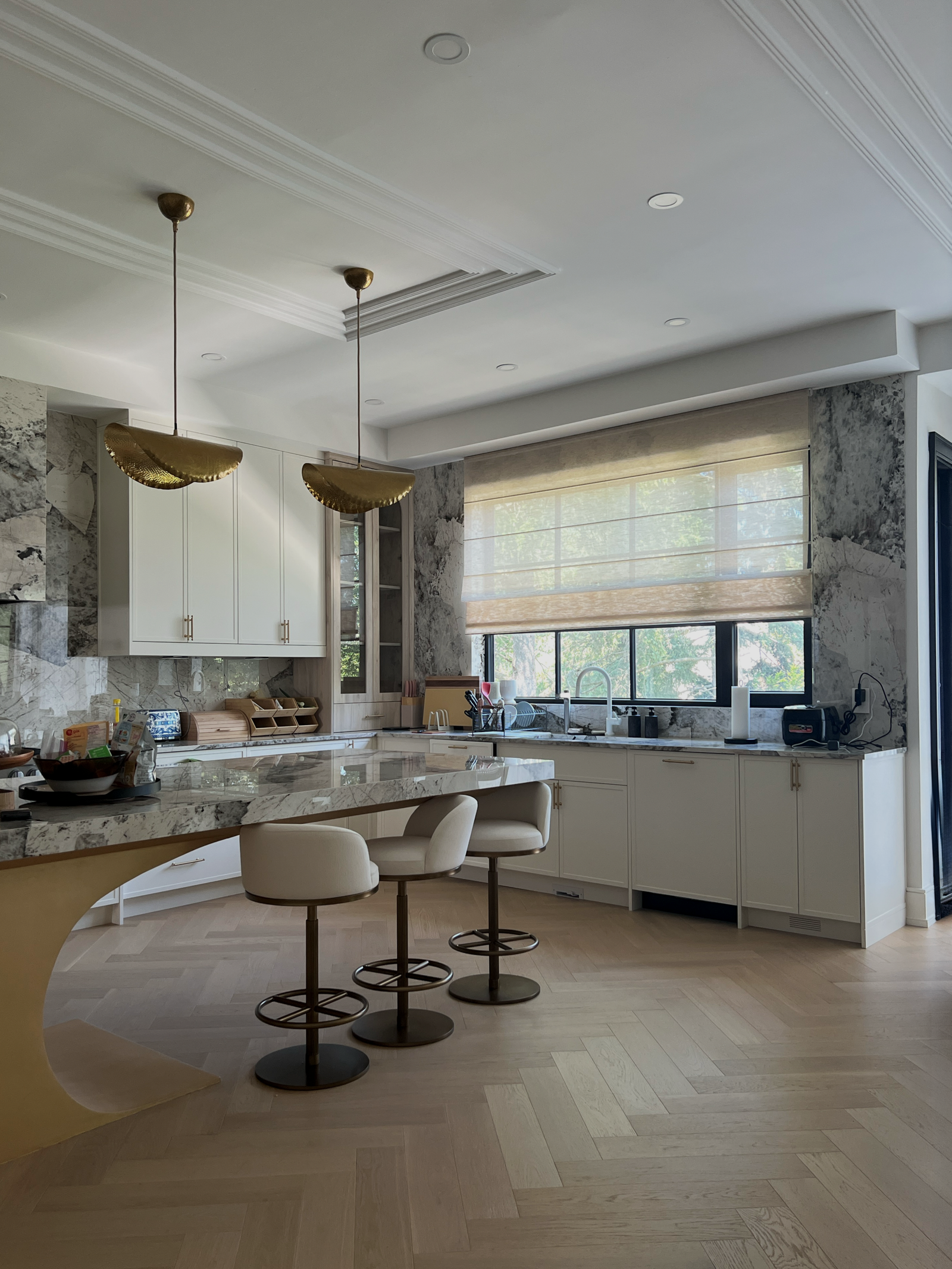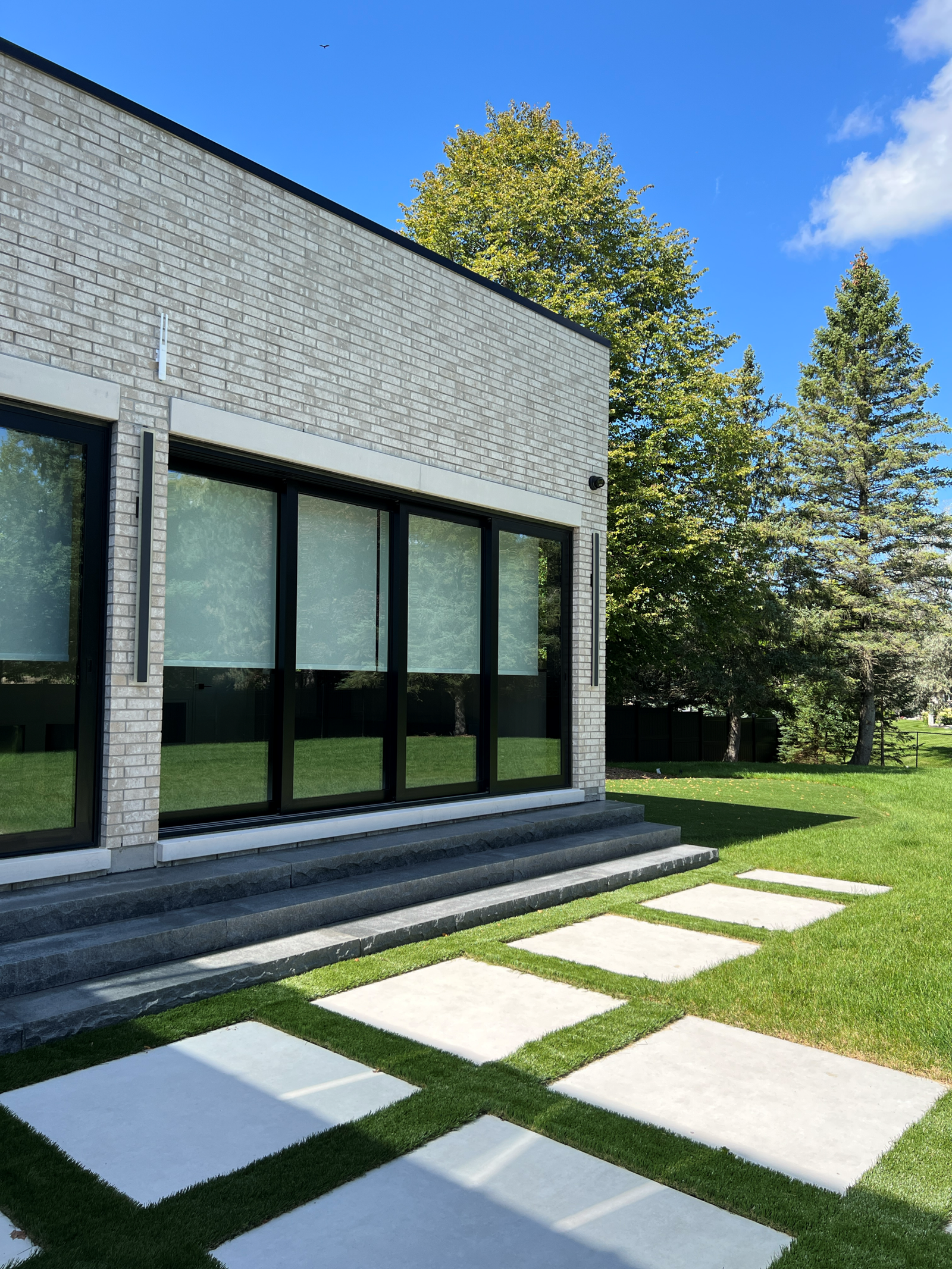
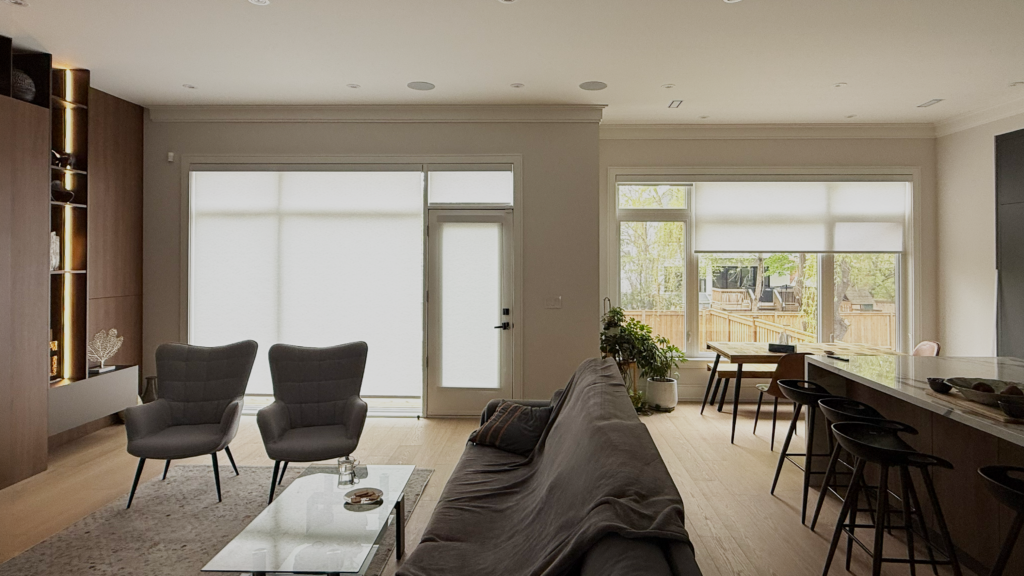
There is a moment in almost every consultation when we find ourselves standing in front of the same opening.
Not a window—a patio door.
It might be a sliding door leading to the backyard, a walkout basement entrance, or a condo balcony overlooking the city. Homeowners often know exactly what they want for the rest of the house, but when it comes to the patio door, the answer is less obvious.
Patio doors are different. They’re one of the largest pieces of glass in most Toronto homes, they’re used multiple times a day, and they need to balance privacy, light control, energy efficiency, and easy access.
The good news? You don’t have to settle for outdated vertical blinds anymore.
In this guide, we’ll compare six of the best window coverings for sliding patio doors and explain which option works best for different Toronto and GTA homes.
Why Patio Doors Need Different Window Coverings
A patio door isn’t simply a large window.
Unlike a standard window, a patio door has to function as an entrance. The covering must work around door handles, clear the traffic path, and stand up to daily use.
The best patio door window coverings should provide:
- Smooth operation
- Easy access to the door
- Adjustable privacy
- Protection from glare and UV rays
- Energy efficiency during Toronto winters and summers
- A style that complements the rest of the room
Not every blind or shade is designed for these challenges, which is why choosing the right product matters.
Quick Comparison: Which Patio Door Covering Is Right for You?
| Window Covering | Privacy | Light Control | Easy Door Access | Best For |
|---|---|---|---|---|
| Roller Blinds | ★★★★☆ | ★★★★☆ | ★★★☆☆ | Modern homes & condos |
| Zebra Blinds | ★★★★☆ | ★★★★★ | ★★★☆☆ | Adjustable privacy |
| Dreamy Shades | ★★★★★ | ★★★★★ | ★★★★★ | Luxury & smart homes |
| Vienna Shades | ★★★★☆ | ★★★★☆ | ★★★☆☆ | Soft designer look |
| Sheer Curtains | ★★★☆☆ | ★★★☆☆ | ★★★★★ | Large patio doors |
| Plantation Shutters | ★★★★★ | ★★★★★ | ★★★★☆ | Traditional homes |
1. Roller Blinds
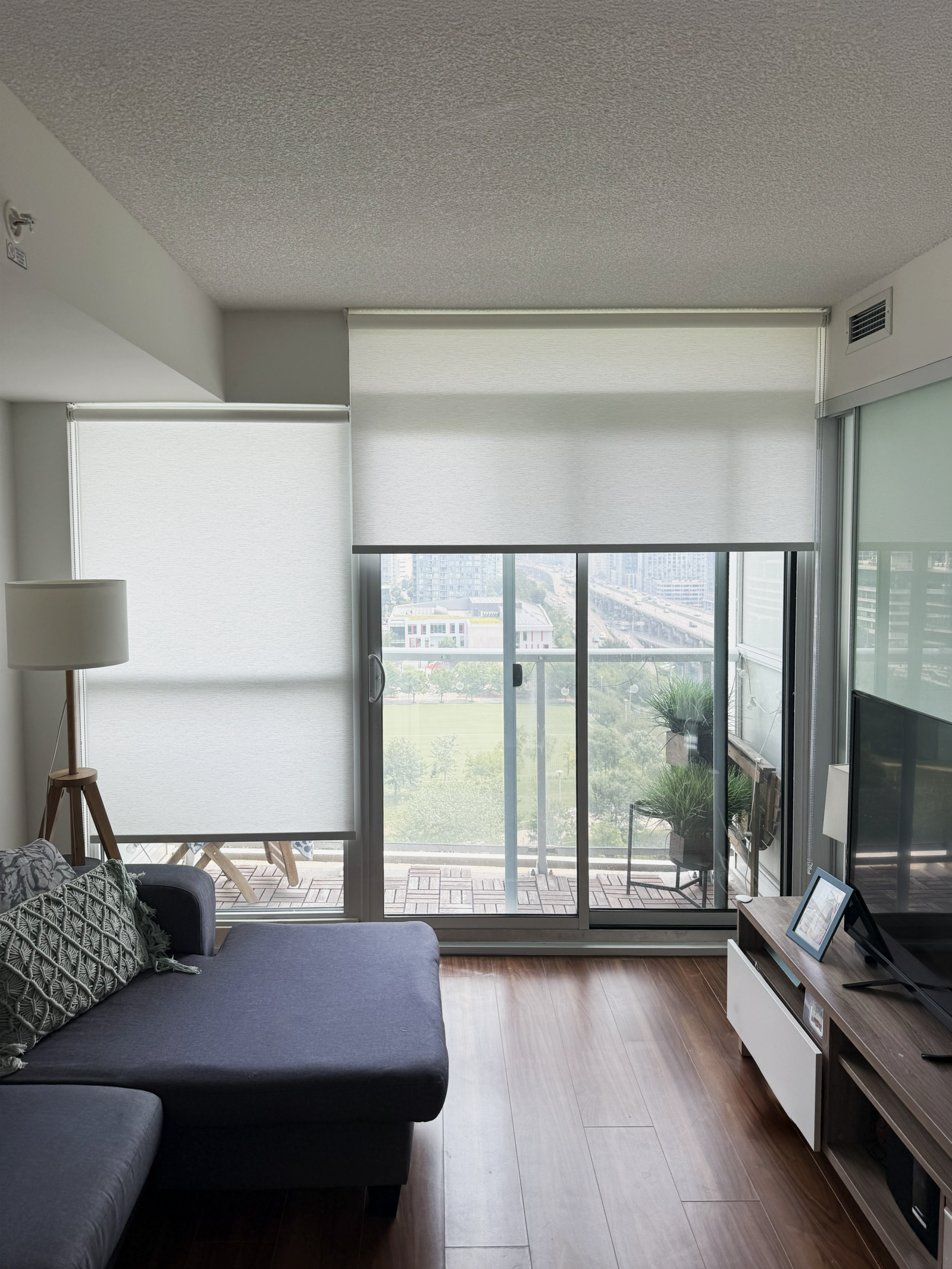
Roller Blinds remain one of the most popular solutions for patio doors in Toronto condos and modern homes.
Their clean, minimalist appearance works well in contemporary interiors, while the simple design makes them easy to operate and maintain. Available in sunscreen, light-filtering, and blackout fabrics, Roller Blinds offer excellent flexibility for different levels of privacy and sunlight control.
For wider patio doors, custom systems can be divided into multiple sections or motorized for effortless operation. Wider roller shades can become heavy with frequent use, making motorization a popular upgrade for large openings.
Best For
- Condo balcony doors
- Modern homes
- South- or west-facing rooms
- Homeowners who prefer a clean, uncluttered look
Things to Consider
Roller Blinds must be fully raised to access the door, making them better suited for patio doors that aren’t constantly in use.
2. Zebra Blinds
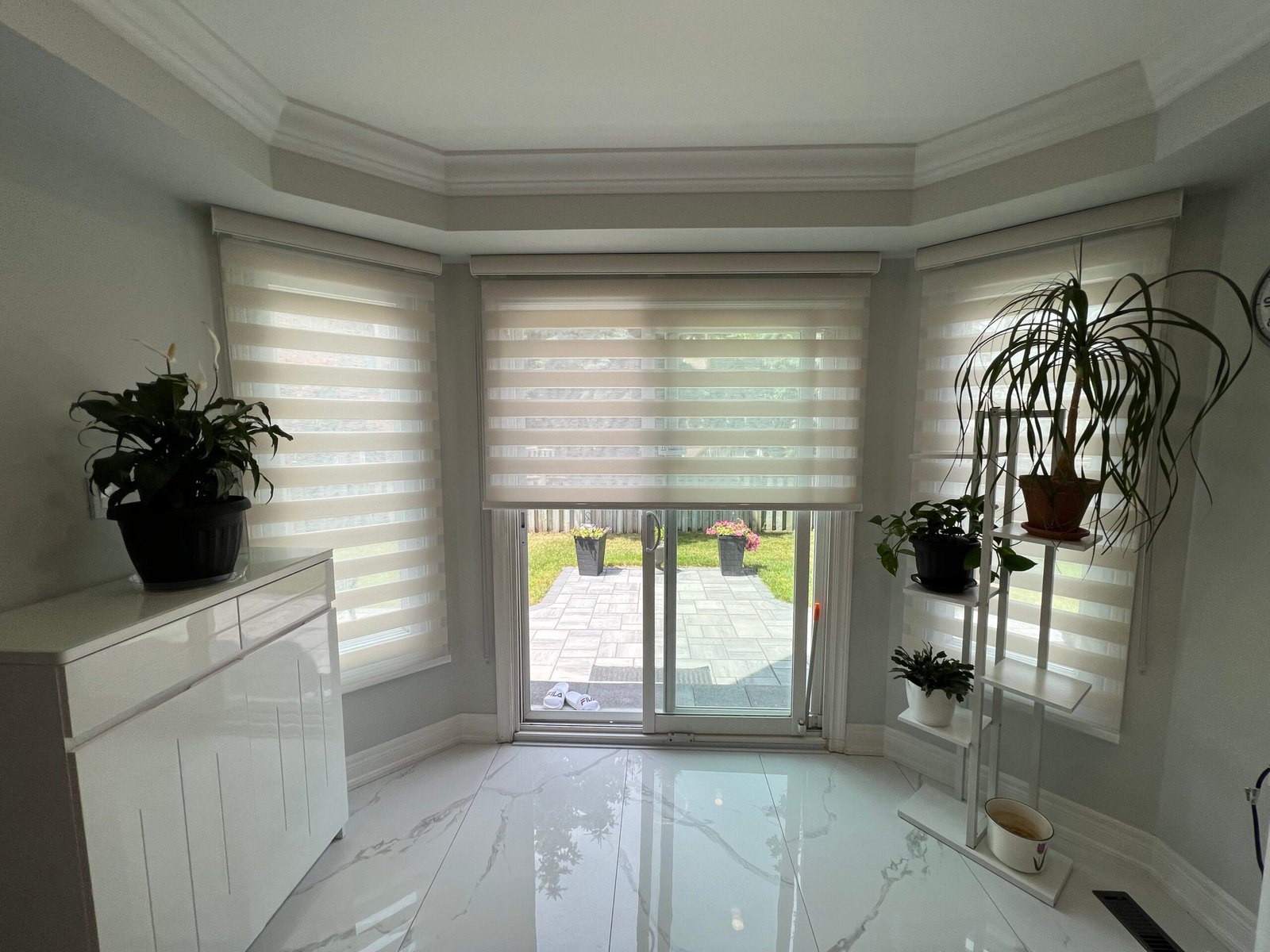
Zebra Blinds have become one of the most requested window coverings in Toronto homes thanks to their versatility.
Alternating sheer and solid fabric bands allow homeowners to transition between open views, filtered light, and privacy without raising the blind completely. This makes them ideal for spaces where light conditions change throughout the day. Zebra shades are often chosen for living rooms and spaces where homeowners want to switch easily between privacy and outdoor views.
Best For
- Condos
- Open-concept living spaces
- Modern and transitional homes
- Homeowners who want maximum control over natural light
Things to Consider
For larger patio doors, multiple shades may be required to ensure smooth operation.
3. Dreamy Shades (Vertical Sheer Shades)
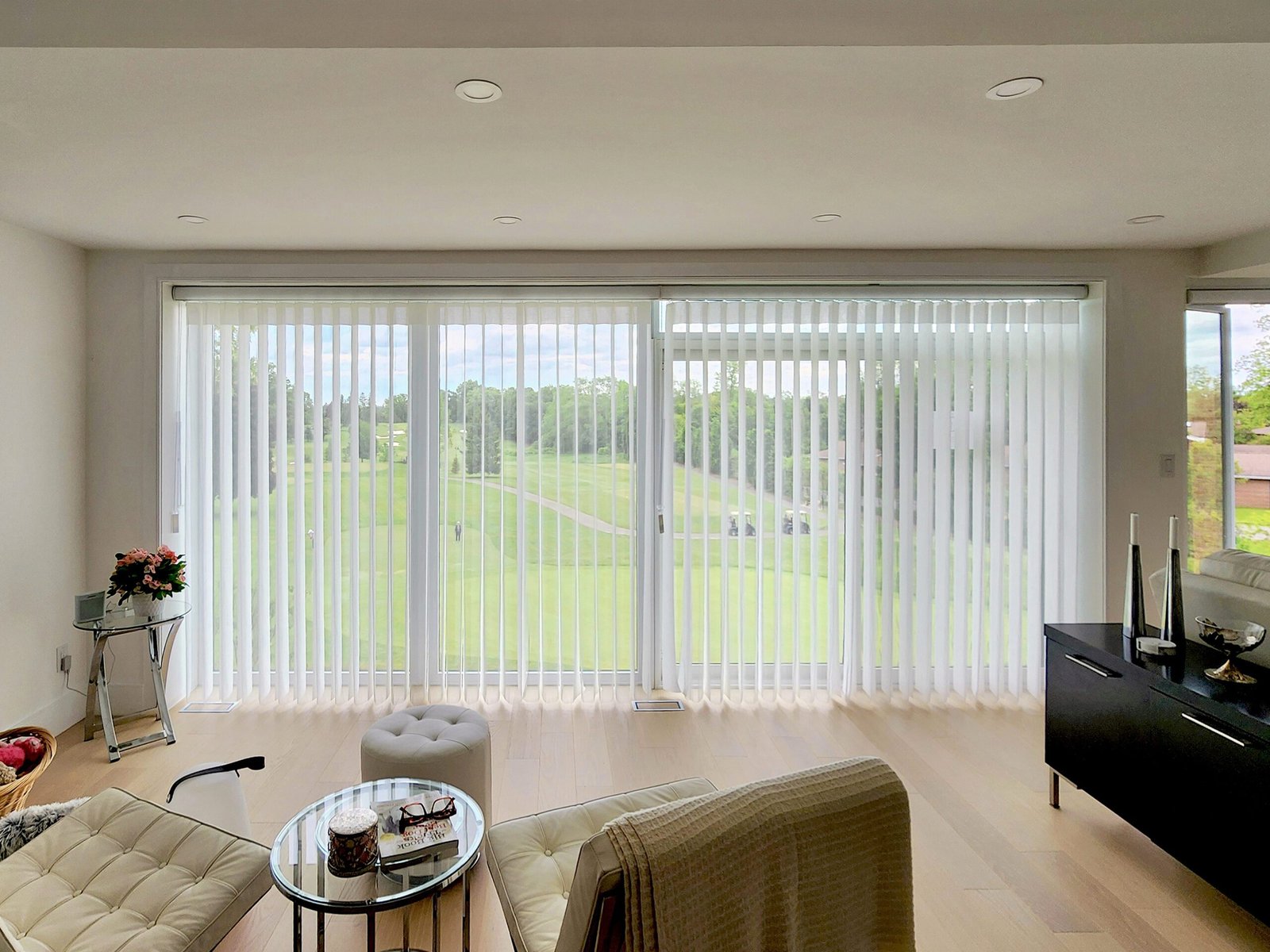
If there’s one product that has transformed patio door design in recent years, it’s Dreamy Shades.
Often called Vertical Sheer Shades, Dreamy Shades combine the softness of sheer fabric with the functionality of a blind. Fabric vanes float between sheer layers, allowing you to tilt them for light control or draw them aside when you need to walk through the door. They are specifically designed to work well on sliding patio doors and large expanses of glass.
The result is a window covering that feels more elegant than traditional vertical blinds while remaining highly practical for everyday use.
Why Homeowners Love Dreamy Shades
- Walk-through access
- Soft, diffused natural light
- Excellent privacy control
- Premium appearance
- Available with motorization
Best For
- Luxury homes
- Large backyard patio doors
- Smart home integrations
- Living rooms with oversized glass walls
For many homeowners, Dreamy Shades offer the best balance between beauty and functionality.
4. Vienna Shades (Triple Sheer Shades)
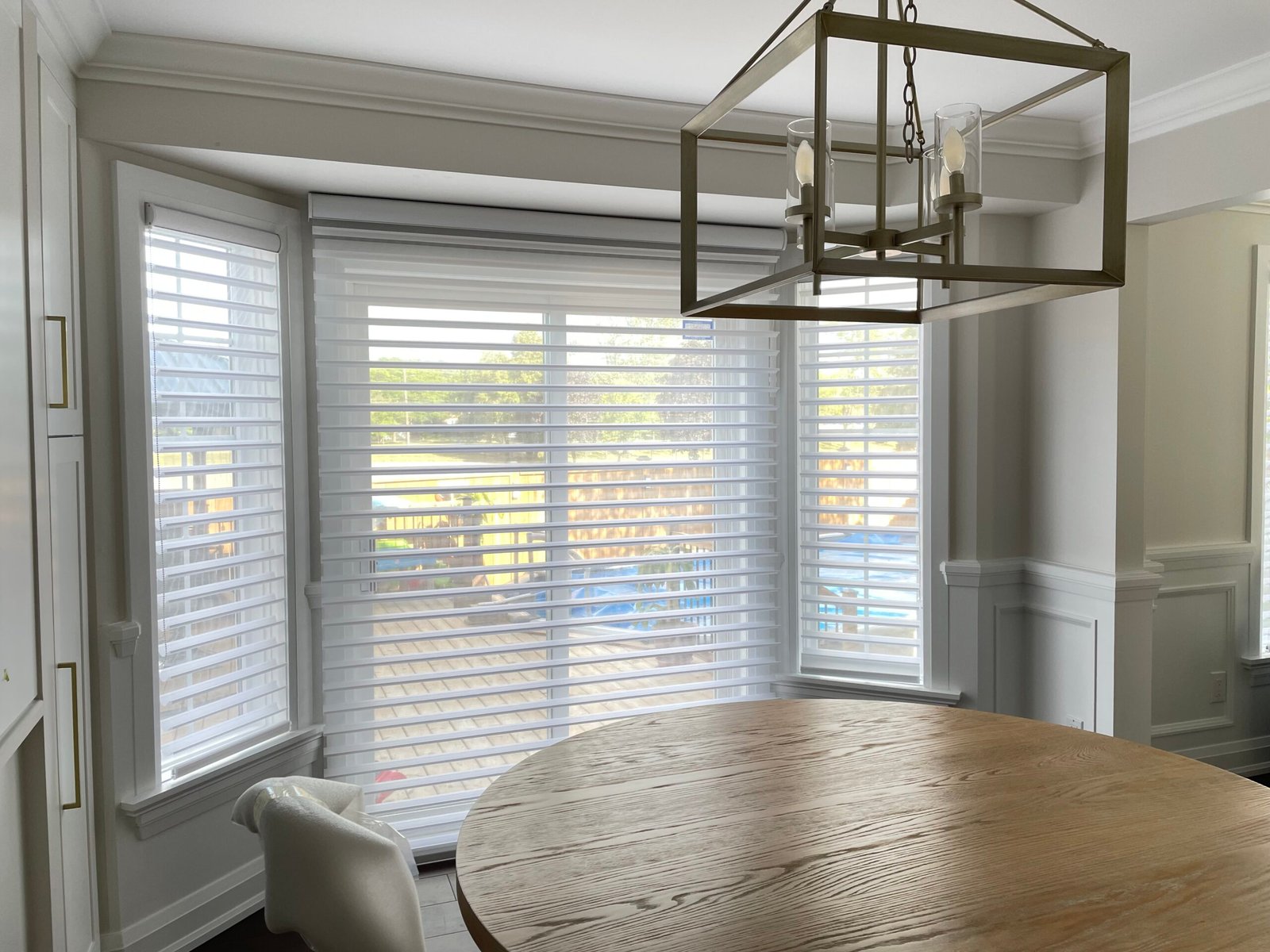
Vienna Shades, sometimes called Triple Sheer Shades or Shangri-La Shades, are ideal for homeowners who love the softness of sheer curtains but prefer the functionality of a blind.
Fabric vanes suspended between sheer layers create a beautiful floating effect that filters sunlight and fills the room with a soft glow.
Compared to Roller or Zebra Blinds, Vienna Shades create a more luxurious and decorative appearance while still providing adjustable privacy.
Best For
- Living rooms
- Dining rooms
- Homes with large patio doors
- Homeowners seeking a softer designer look
Things to Consider
Vienna Shades are often selected more for aesthetics than heavy-duty daily traffic. They work beautifully in spaces where design is a priority.
5. Sheer Curtains
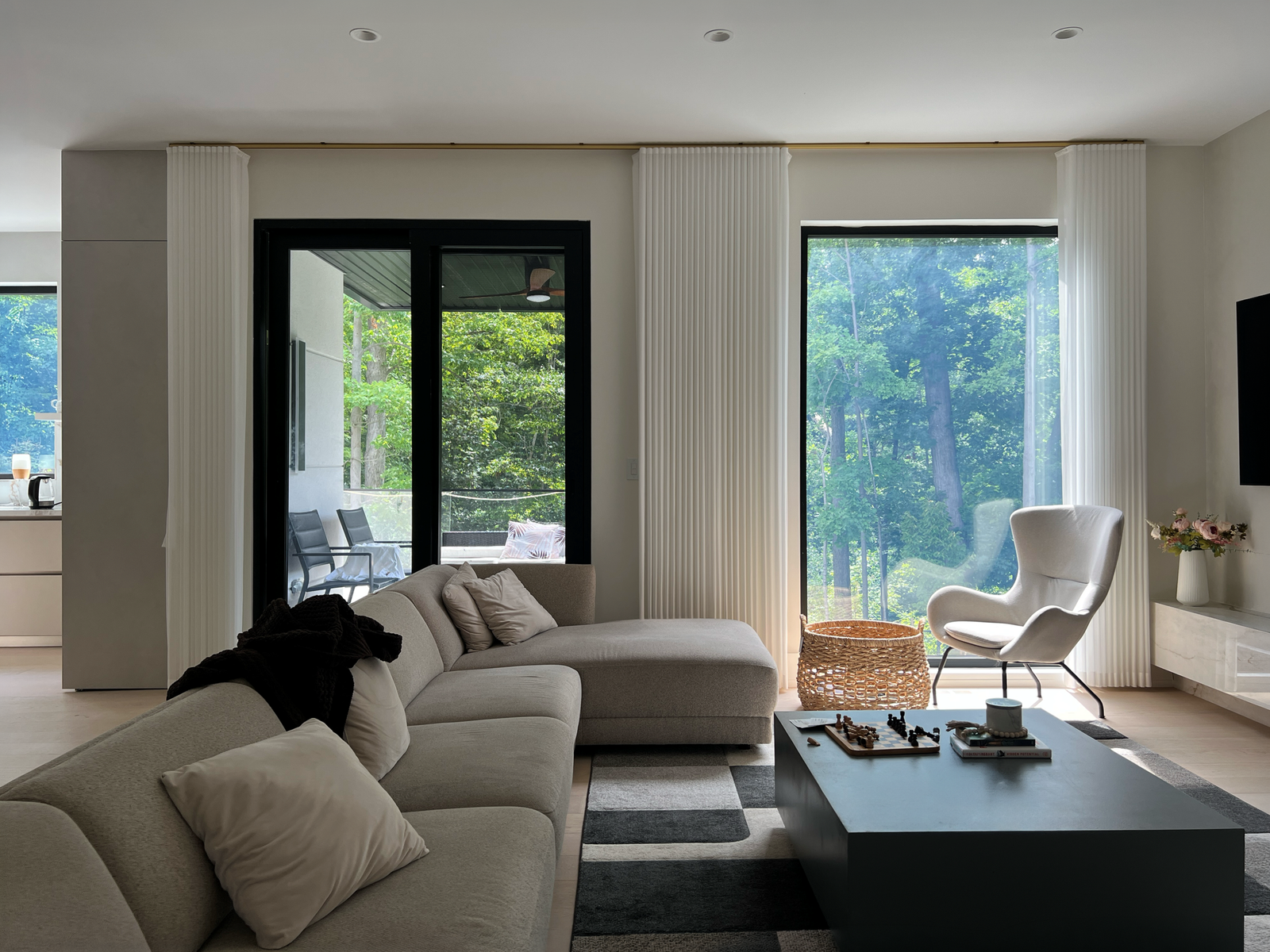
Few window treatments can match the elegance of sheer curtains on a large patio door.
Floor-to-ceiling sheers soften sunlight, add texture to a room, and create a luxurious custom look that never goes out of style.
For homes with large backyard views, sheers maintain brightness while reducing harsh glare. Many homeowners pair sheer curtains with drapery panels for additional privacy and room-darkening capabilities.
Best For
- Large patio doors
- High ceilings
- Luxury homes
- Open-concept living rooms
Why Designers Love Them
Sheers help soften large walls of glass and make a room feel warmer and more inviting without blocking natural light.
6. Plantation Shutters
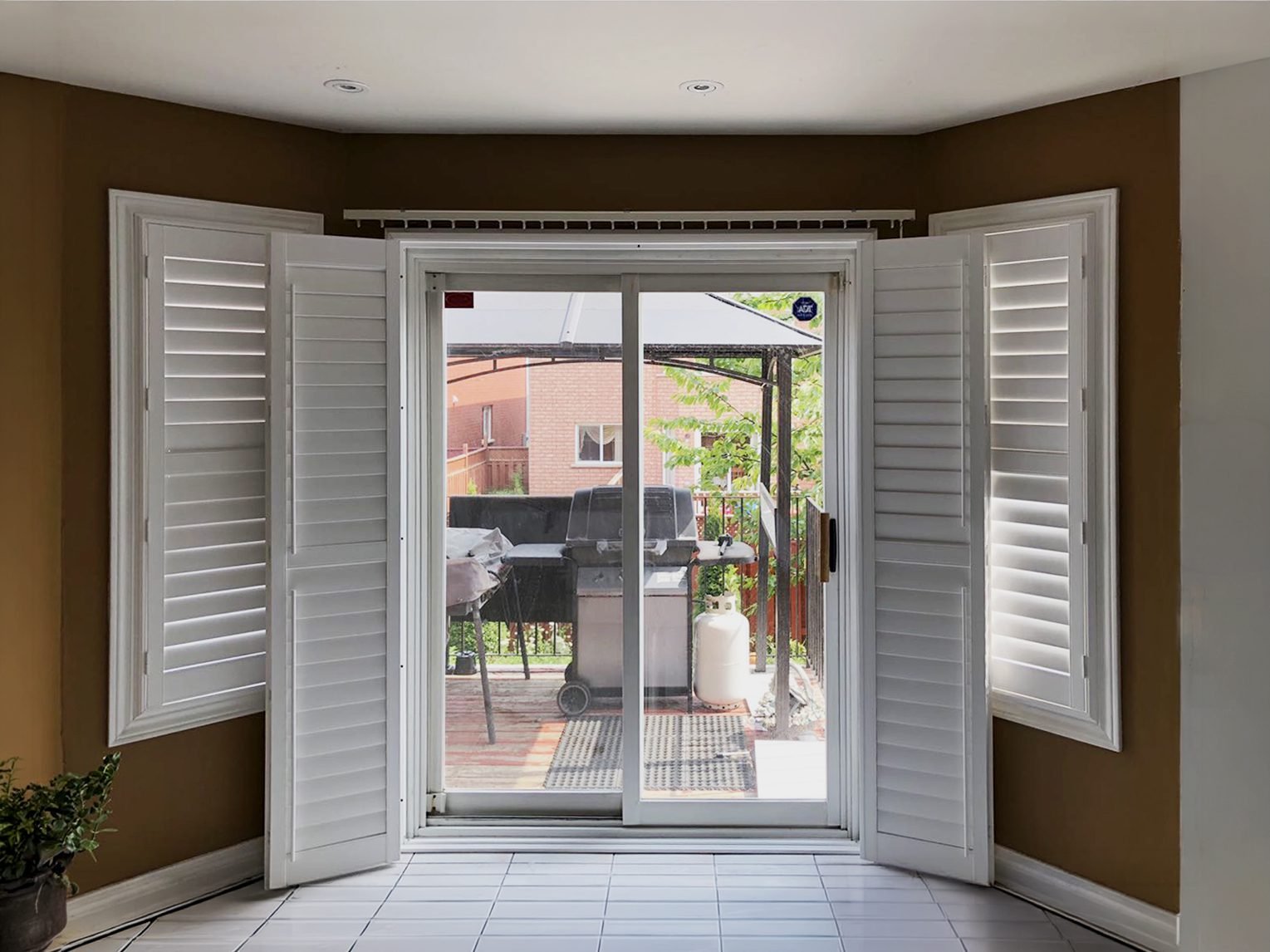
Plantation Shutters remain one of the most durable and timeless window treatments available.
Unlike fabric products, shutters become a permanent architectural feature of the home. They provide excellent privacy, precise light control, and long-term durability. Many homeowners choose shutters because they offer a built-in appearance that complements both traditional and contemporary homes.
For French patio doors, shutters are often one of the most attractive options available.
Best For
- Detached homes
- Traditional interiors
- French patio doors
- Homeowners looking for long-term value
Things to Consider
Shutters require a larger upfront investment but can add lasting value and visual appeal to the home.
What Works Best in Toronto & GTA Homes?
Different homes often call for different solutions.
Toronto Condos
Space is limited and balcony doors are used frequently.
Recommended:
- Roller Blinds
- Zebra Blinds
Markham, Richmond Hill & Vaughan Homes
Large family rooms and backyard patio doors benefit from:
- Dreamy Shades
- Vienna Shades
- Sheer Curtains
Oakville & Luxury Homes
For upscale interiors and large glass walls:
- Sheer Curtains
- Dreamy Shades
- Motorized solutions
Walkout Basements
Privacy and glare control become priorities.
Recommended:
- Roller Blinds
- Zebra Blinds
- Blackout fabrics where appropriate
Are Motorized Patio Door Shades Worth It?
For many GTA homeowners, yes.
Patio doors are often among the largest and most frequently operated window coverings in the home. Motorization eliminates the need to manually raise large shades and allows operation through a remote, smartphone app, or smart home system. Motorized Roller Blinds, Zebra Blinds, and Dreamy Shades have become increasingly popular, especially for oversized windows and newer homes.
If your patio door is used multiple times a day, motorization is often one of the most appreciated upgrades.
Final Thoughts
The best patio door window covering depends on how you use the space.
For a clean and modern look, Roller Blinds and Zebra Blinds remain excellent choices. If you’re looking for a more luxurious solution, Dreamy Shades and Vienna Shades offer beautiful light control with a softer appearance. Sheer Curtains add timeless elegance to large patio doors, while Plantation Shutters provide unmatched durability and long-term value.
The right choice isn’t just about style—it’s about finding a solution that works with your home’s layout, your lifestyle, and how often the door is used.
At Starlight Shutter, we help homeowners across Toronto and the GTA find custom patio door window coverings that combine beauty, practicality, and lasting performance. Whether you’re covering a condo balcony door or a large backyard patio entrance, contact us and we’ll help you choose the right solution for your space.