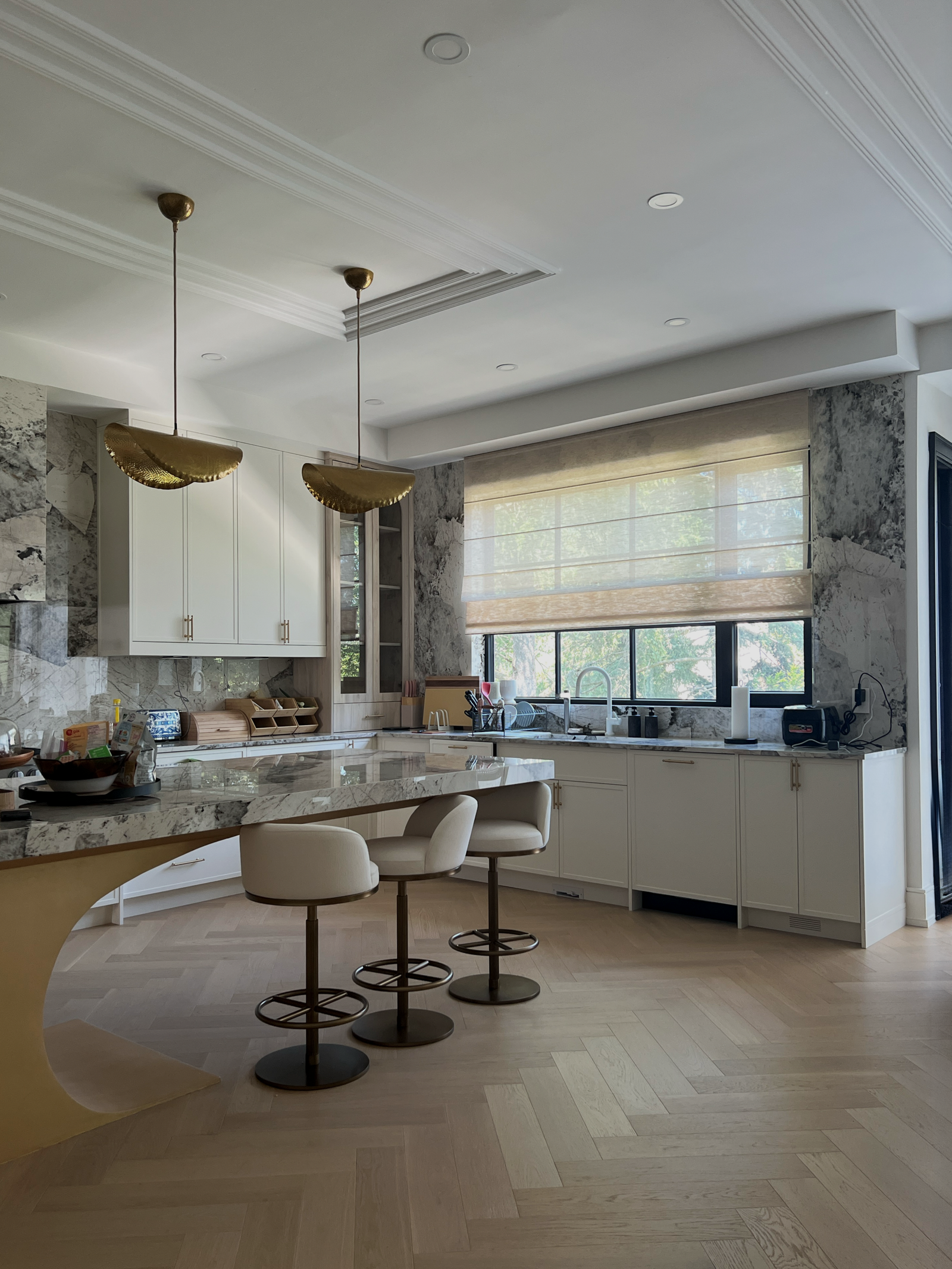
Toronto winters can make even a comfortable home feel chilly, especially when you have large windows or older windows that let the cold creep into the room. The right window coverings can help make a noticeable difference.
For most large windows, full-length curtains with thermal or blackout lining are a practical place to start. They cover more than just the glass, helping reduce the cold you feel near the window. Honeycomb shades are another good option if you prefer a clean, compact look, while California shutters offer a more permanent finish.
If keeping your home warm is the main priority, combining honeycomb shades with lined curtains is worth considering. Each provides a different layer of coverage, and the combination works particularly well in rooms with large windows.
The best choice depends on your windows, how you use each room, and the look you want to achieve. Here is what to consider when choosing window coverings for a Toronto home, from downtown condos to older houses and new builds across the GTA.
What Can Window Coverings Actually Do in Winter?
Windows are often where you notice the cold first. Even with the heating on, sitting beside a large window can feel uncomfortable when the glass is cold and the air nearby starts to cool.
Window coverings help by adding a layer between the glass and the room. Some, such as honeycomb shades, trap air within their structure. Others, such as lined curtains, cover a wider area around the window. How well they fit and how much of the window they cover also make a difference.
There is one important distinction, though: window coverings can help with heat loss and the feeling of cold near a window, but they cannot fix a leaking or poorly sealed window.
If you notice air coming through a closed window, persistent condensation between the panes, or worn weatherstripping, it is worth having the window checked. Addressing those issues first will give your new window coverings a better starting point.
Lined Curtains: A Practical Choice for Large Windows
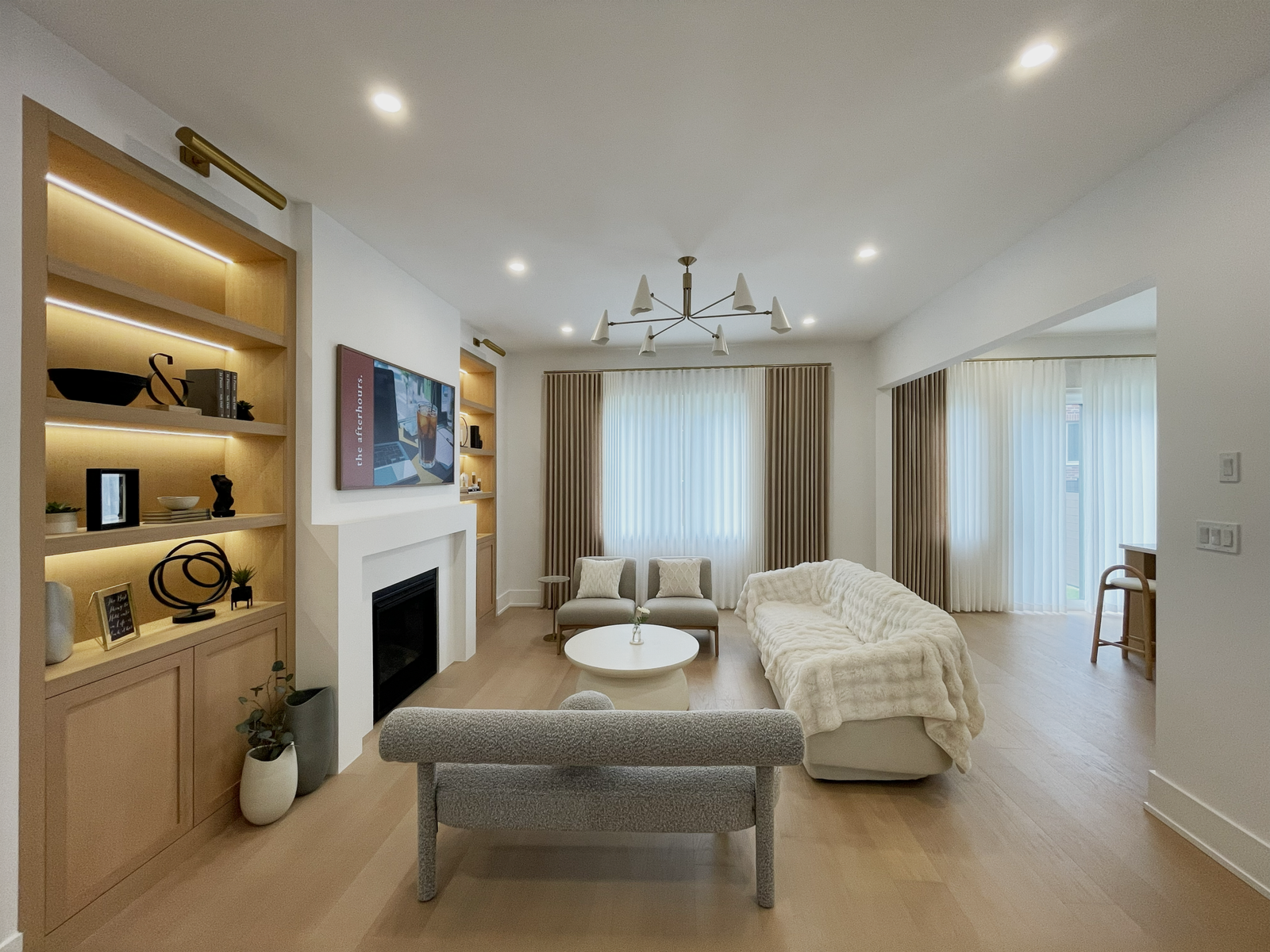
For a living room with wide windows, sliding patio doors or floor-to-ceiling glass, lined curtains are often one of the most effective options to consider.
Unlike a shade fitted inside the window frame, curtains can extend beyond the glass. When installed close to the ceiling and wide enough to cover the sides of the window, they help reduce the gaps around the glass. A full-length design also gives the room a more finished appearance.
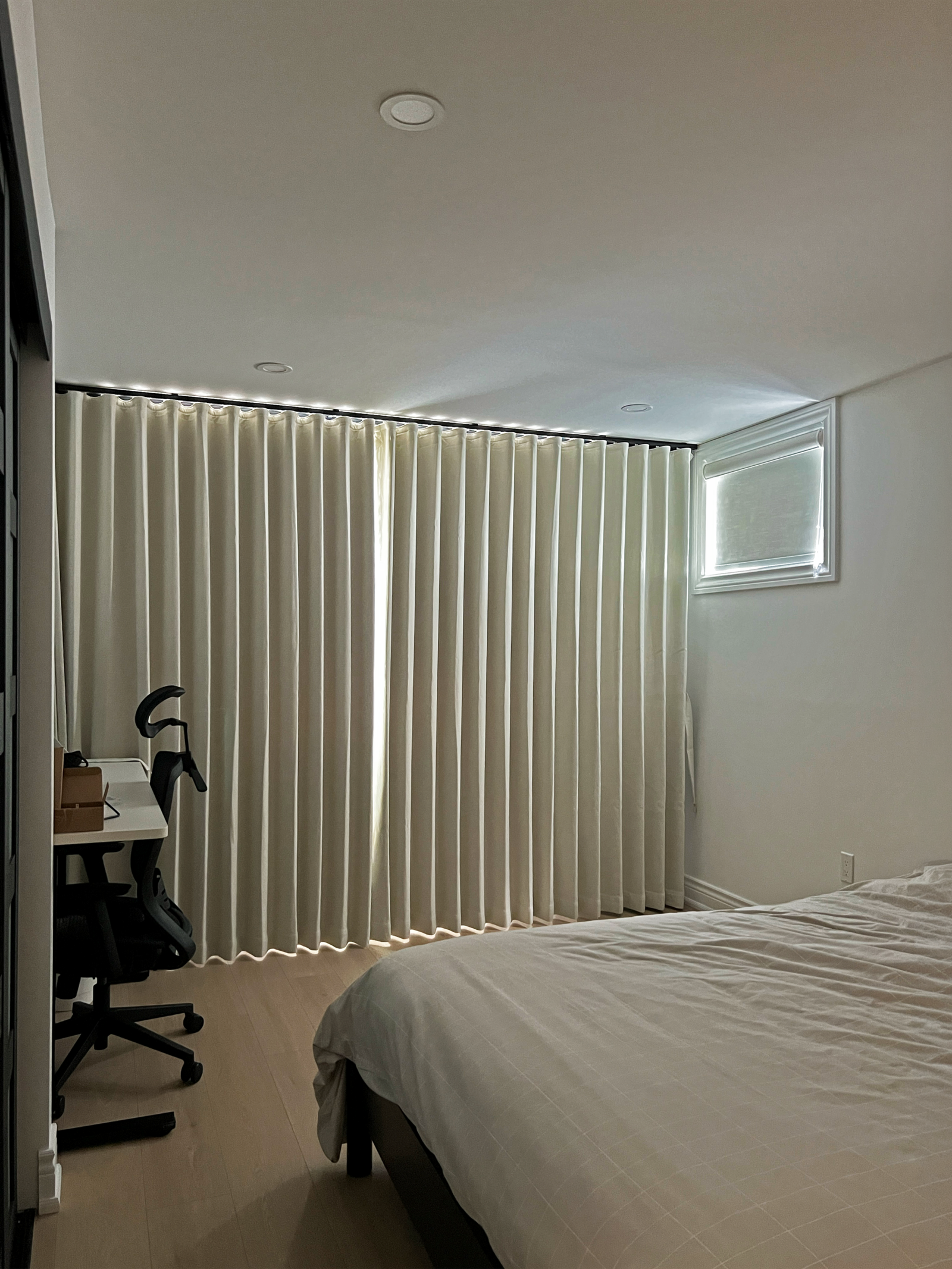
The lining matters, too. A thermal lining adds an extra layer to the curtain, helping slow heat transfer through the window area. A blackout lining blocks incoming light and adds another layer of fabric, making it a popular choice for bedrooms where both warmth and darkness matter.
You do not have to sacrifice the look of your curtains to get these benefits. The same face fabric can often be paired with different lining options, depending on the room and your priorities.
A couple of installation details are worth discussing when planning custom curtains:
- Cover the sides properly. A suitable track and curtain return can bring the fabric closer to the wall, reducing gaps around the edges.
- Choose the right length. Floor-length curtains can help limit the gap at the bottom. However, if there is a radiator or heating vent underneath, the installation should allow warm air to circulate properly.
Lined curtains are particularly suitable for large living-room windows, patio doors, bedrooms and tall great rooms. Just remember to allow enough wall space for the fabric to stack when the curtains are open.
For more options, explore our custom curtains and drapery and blackout curtains.
Honeycomb Shades: Insulation Without Heavy Curtains
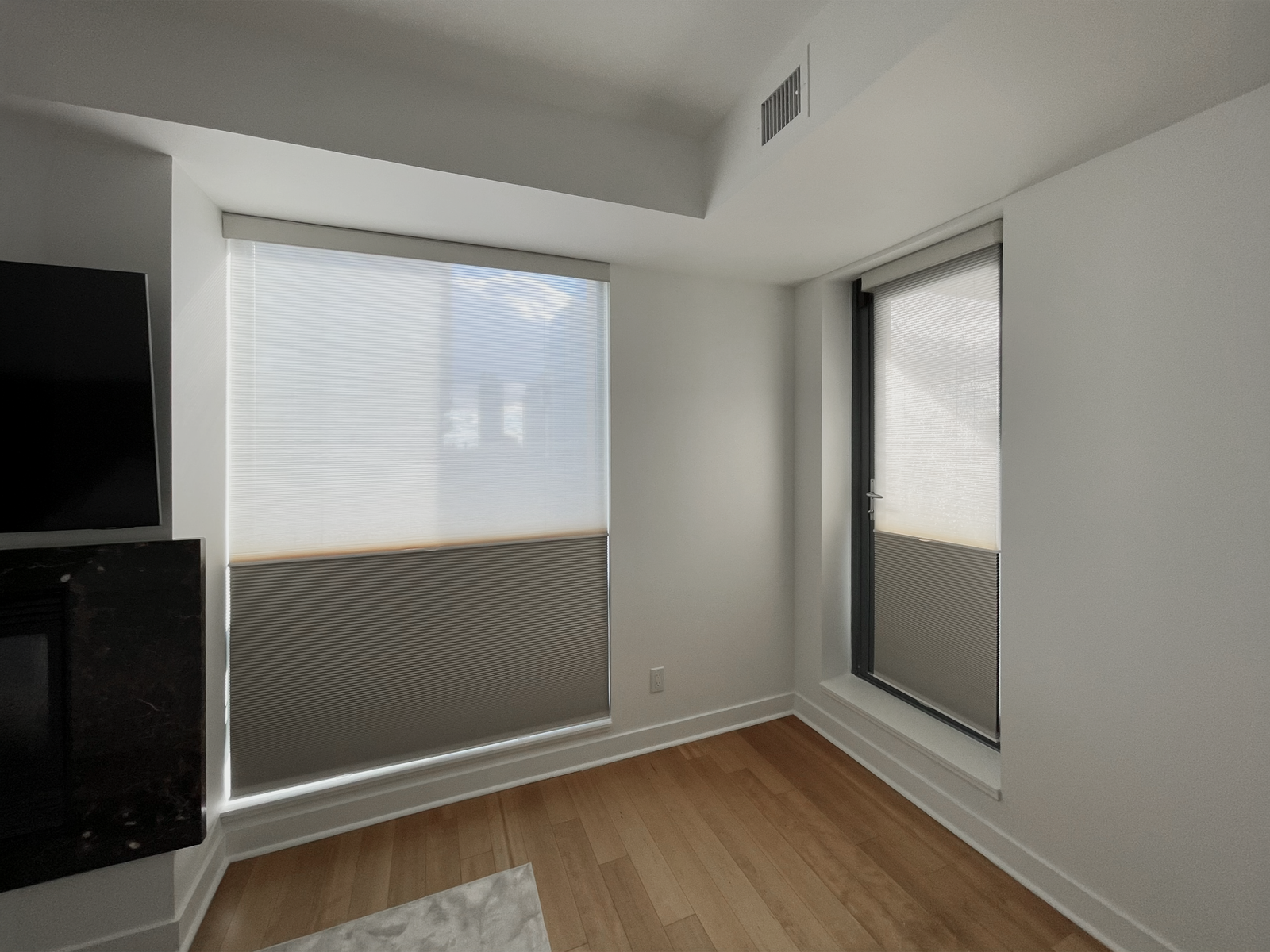
Not every room needs full-length curtains. If you prefer a simple look or have limited space around the window, honeycomb shades, also known as cellular shades, are worth a closer look.
Their pleated structure creates small air pockets within the shade. These pockets help slow heat transfer, adding an insulating layer close to the glass without taking up much space when the shade is raised.
This makes honeycomb shades a practical option for bedrooms, basement windows and smaller rooms where bulky curtains may not suit the design.
They are also useful when you want to keep the window trim visible. Because the shade can be fitted within the frame, the overall look stays neat and understated.
There is one trade-off: honeycomb shades mainly cover the window itself rather than the surrounding wall. On a large window, they may not provide the same coverage as curtains that extend beyond the frame.
It is also important to use them consistently. Lowering the shades in the evening helps make use of their insulating design. For tall windows or several windows in the same room, motorized shades can make this daily routine much easier.
If you are comparing styles, our guide to honeycomb blinds, explained, covers the basics, and you can browse the available options on our honeycomb and cellular shades page.
California Shutters: A Permanent, Architectural Look
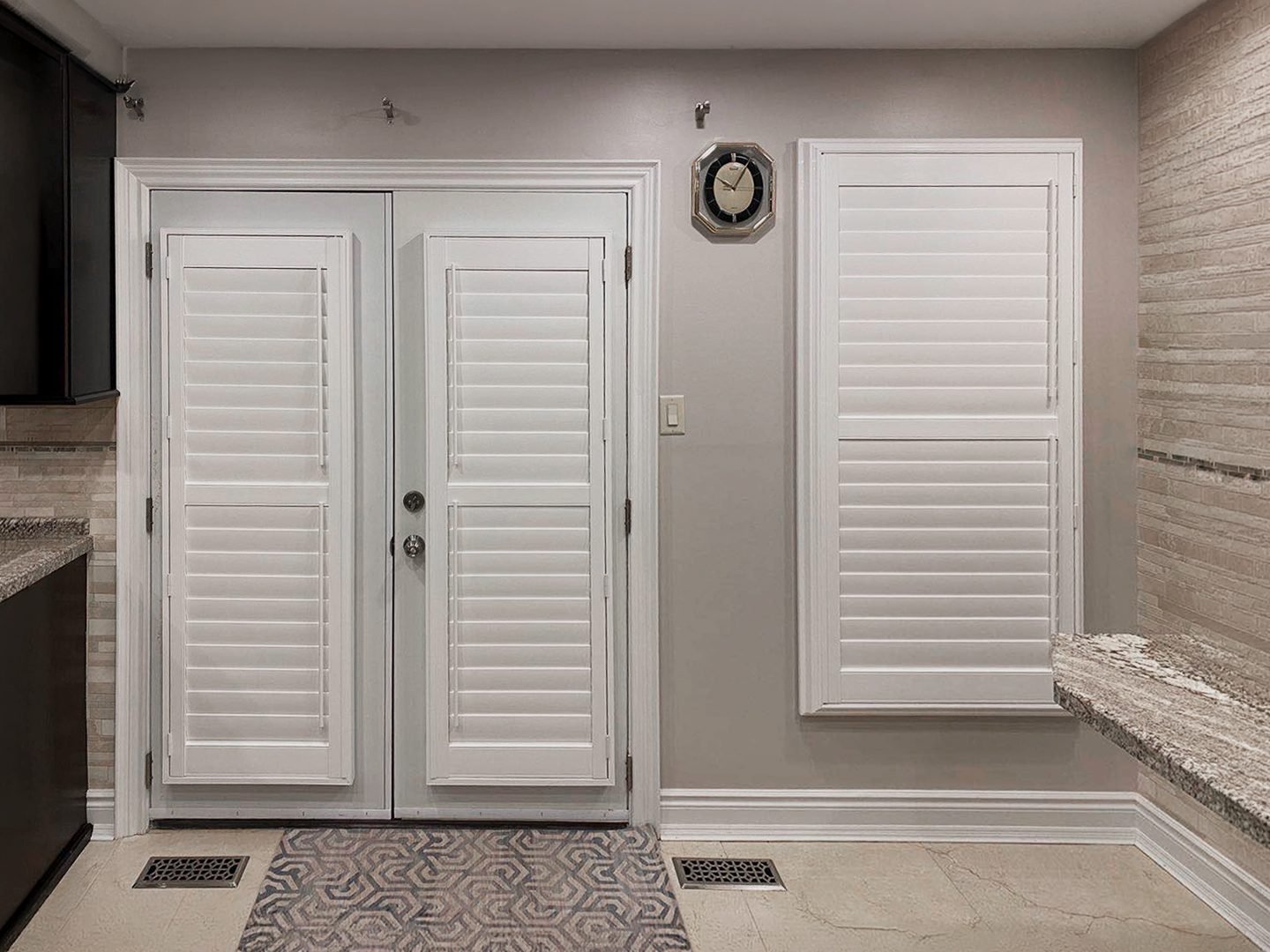
Shutters offer something different from curtains and shades. They are fitted to the window opening and give the room a more structured, built-in appearance.
When closed, shutters create another layer between the room and the glass. Wooden shutters provide some insulating benefit, while the solid construction also helps change how the window feels and looks within the room.
During the day, you can tilt the louvers to manage incoming light and privacy. In the evening, closing them gives the window a more enclosed feel.
The material you choose should suit the room. Wood shutters work well in living rooms and other dry spaces, where their natural finish complements the interior. Vinyl or PVC shutters are often a more practical choice for bathrooms and laundry rooms because they are easier to maintain in humid conditions.
Shutters are a good fit for street-facing windows, bathrooms and homes where a consistent architectural style matters. They also suit homeowners who want a window treatment that looks finished throughout the year, rather than something that changes with seasonal styling.
For larger windows, however, shutters generally cover the window opening rather than the surrounding wall. If winter comfort is a priority, lined curtains may provide more coverage, and using both in different rooms can make sense.
You can compare styles on our California shutters page.
Curtains vs. Honeycomb Shades vs. Shutters: Which Is Best for Winter?
Each type of window covering has its strengths. The right choice comes down to the size of your windows, the room layout and how much coverage you need.
| Feature | Lined Curtains | Honeycomb Shades | California Shutters |
|---|---|---|---|
| How they help with warmth | Lined fabric covers the glass and can extend beyond the frame | Trapped air within the cells helps slow heat transfer | Creates a solid layer fitted within the window opening |
| Best suited to | Large windows, patio doors and tall glass | Small to medium windows, bedrooms and basements | Street-facing windows, bathrooms and structured interiors |
| What to consider | Needs room to stack when open | Mainly covers the glass and works when lowered | Covers the window opening rather than the surrounding wall |
| Design style | Soft, layered and versatile | Clean and minimal | Permanent and architectural |
For a large living-room window, lined curtains are often the most practical starting point. If you want a slimmer treatment that sits close to the glass, honeycomb shades are worth considering. Shutters are a strong choice when appearance, privacy and long-term style are equally important.
The Warmest Option: Layering Window Coverings
If one room in your home always feels colder than the others, it may be worth looking beyond a single window treatment.
Combining honeycomb shades with lined curtains gives you two different layers. The shade sits close to the glass, while the curtains cover a wider area around the window. This approach is particularly useful for large windows in bedrooms and living rooms.
Layering also gives you more flexibility throughout the day. You can adjust the shade to manage daylight and privacy, then close the curtains in the evening for additional coverage.
It does not mean every window needs two treatments. For smaller windows or rooms where a minimal appearance matters, one well-chosen product may be enough. The goal is to match the window covering to the room rather than use the same solution everywhere.
What Works Best for Different Toronto Homes?
The types of homes across Toronto and the GTA vary considerably. A downtown condo with floor-to-ceiling glass has different needs from an older brick semi or a newly built house with a two-storey living room.
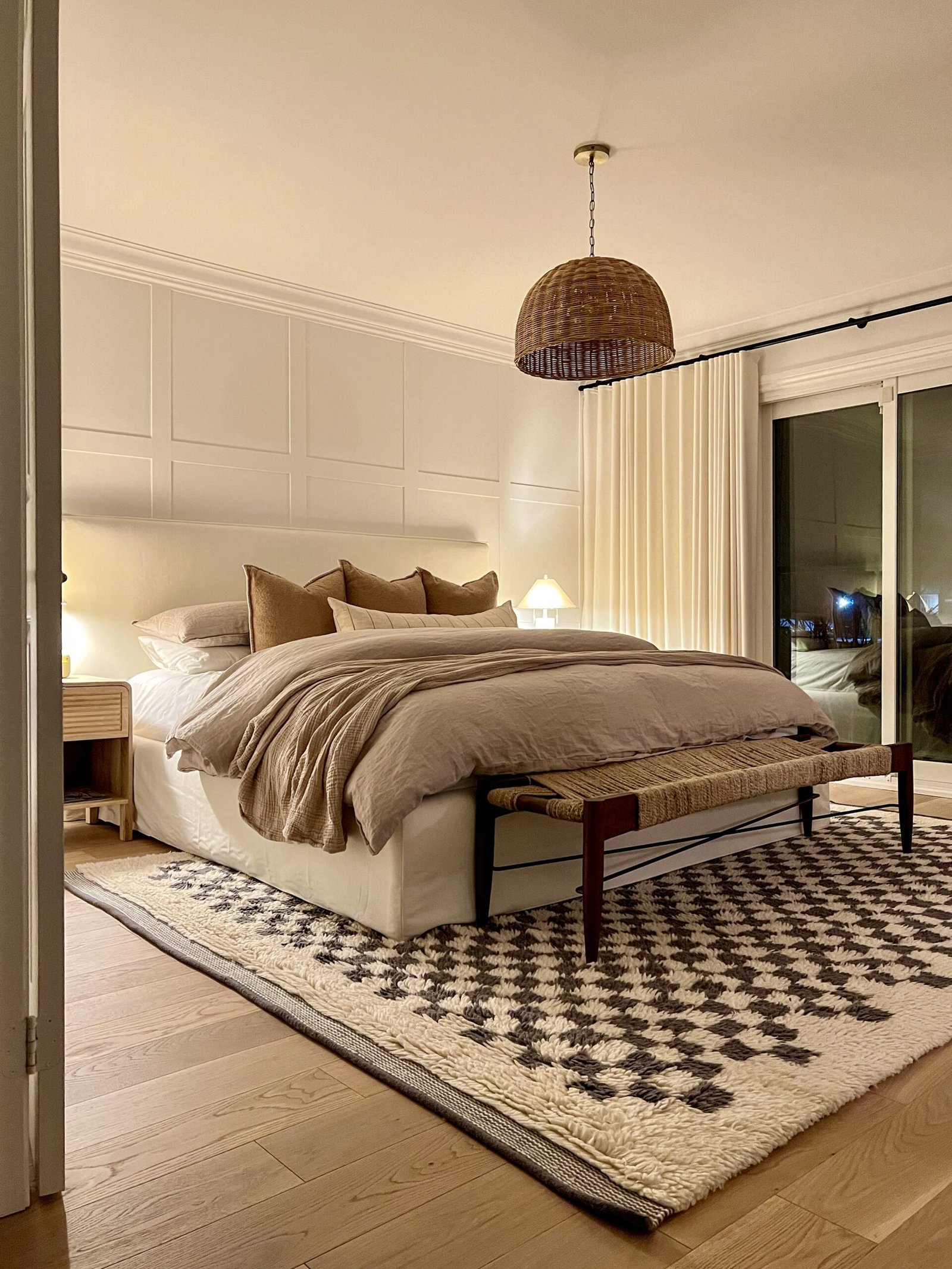
Downtown and Midtown Condos
Floor-to-ceiling glass is common in Toronto condos, and it can make the area around a window feel cold during winter.
Ceiling-mounted ripplefold curtains are a good option when you want to cover a wide expanse of glass. The continuous track creates a clean look, while the fabric can extend across the window wall and stack neatly to one side.
If you prefer a more minimal design, honeycomb shades fitted within individual window sections are another option.
Before choosing a fabric or installation style, check your condo’s rules. Some buildings have requirements for window coverings visible from outside, including restrictions on backing colours.
Our guide to blinds for Toronto condos covers more considerations for condo owners.
Older Brick Semis and Detached Homes
Many older Toronto homes have tall windows, deep sills and original trim that homeowners want to preserve.
Inside-mounted honeycomb shades can be a good fit because they sit neatly within the frame. Shutters are another option if you want a more traditional, built-in finish.
In living rooms, full-length lined curtains can soften the space while covering more of the window area. Mounting the curtain track above the frame can also draw the eye upward, making the ceiling feel taller.
If the house still has its original windows, check their condition before investing in new coverings. A draft caused by worn seals or gaps around the frame needs a different solution from the cold you feel through the glass.
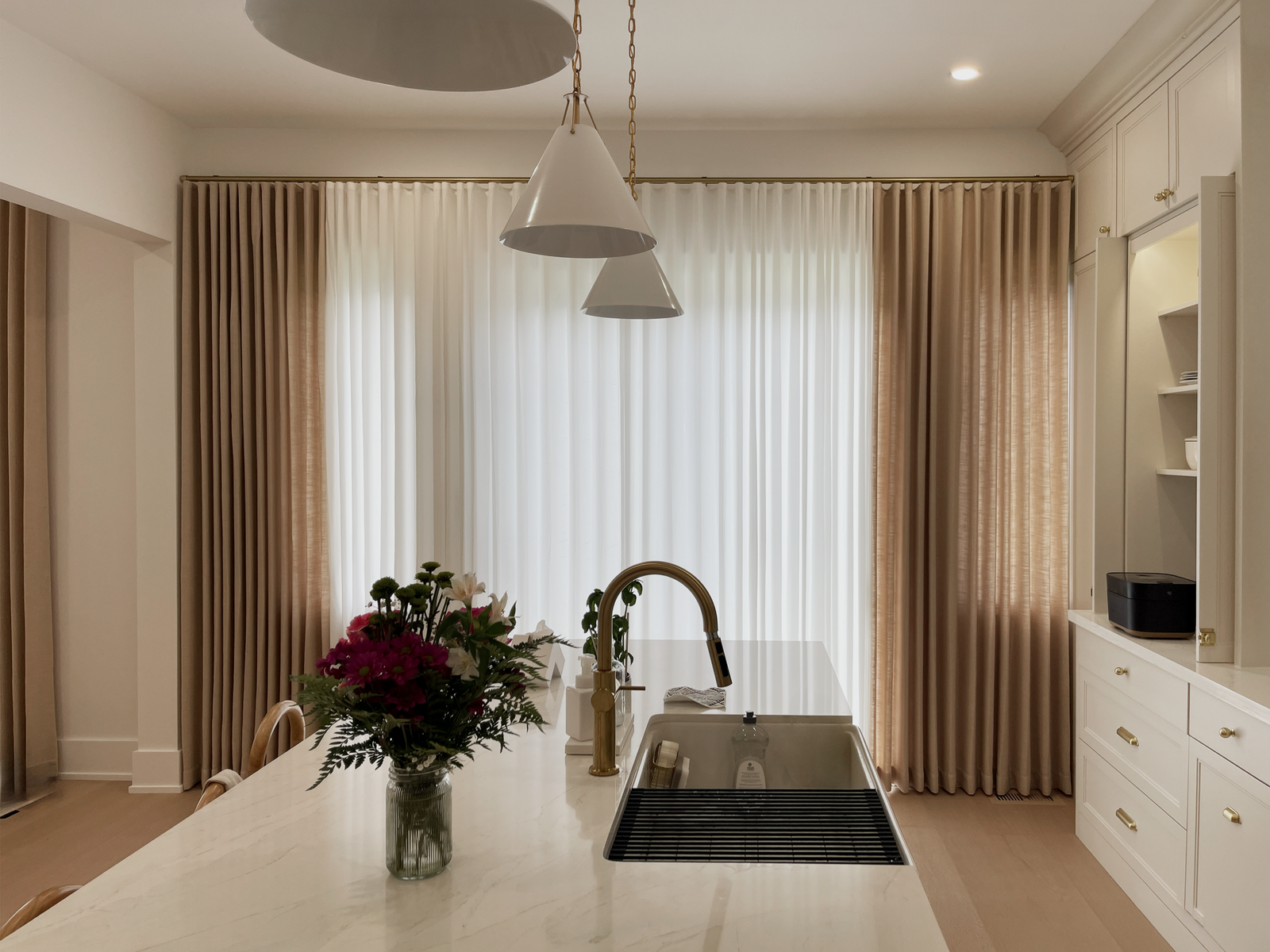
Postwar Bungalows and Side-Splits
Across Scarborough, North York and the surrounding suburbs, many bungalows and side-split homes have a wide picture window in the living room alongside smaller basement windows.
These rooms do not necessarily need the same treatment. Lined curtains can work well across a large picture window, while honeycomb shades are a practical choice for basement windows where space may be limited.
For street-facing windows, shutters can provide privacy and a consistent look from room to room.
Thinking about the house as a whole makes it easier to balance comfort, light control and appearance without choosing one product for every window.
New Builds Across the GTA
New homes in Vaughan, Markham, Oakville and other parts of the GTA often feature open-plan layouts, two-storey great rooms and large expanses of glass.
These windows can be difficult to reach once the house is finished. Motorized blinds or motorized curtains allow you to control tall windows more conveniently, especially when several treatments need to be opened or closed at the same time.
If you are still in the construction or renovation stage, it is worth planning the window treatments early. Depending on the system, you may need to coordinate power, wiring, control options and mounting locations with your electrician and builder before the drywall goes up.
Our guide to window treatments for new custom homes explains what to consider during the planning stage.
Which Window Coverings Work Best in Each Room?
The best choice can change from one room to another, even within the same house.
- Bedrooms: Blackout-lined curtains are a popular choice for blocking light and adding another layer at the window. Honeycomb shades can be added where extra coverage is useful. See blackout curtains for Toronto bedrooms.
- Patio and sliding doors: Curtains installed on a suitable track can cover the wider opening without interfering with everyday use. See our guide to blinds for sliding and patio doors.
- Tall living-room windows: Custom curtains can cover a large window wall and create a more balanced finish. Explore curtains for large windows.
- Bathrooms: Vinyl or PVC shutters are worth considering because they are easy to clean and suitable for humid spaces.
When choosing for the whole home, consider how much privacy each room needs, when it receives sunlight and how often you will adjust the window coverings.
Simple Ways to Keep Your Home More Comfortable in a Toronto Winter
The product you choose matters, but everyday use makes a difference as well.
- Make use of winter sunlight. On clear days, open your window coverings when sunlight reaches the room. South- and west-facing windows may bring in useful warmth during the day.
- Close them in the evening. Draw your curtains and lower your shades as the temperature drops. This adds a layer between the cold glass and the room overnight.
- Keep heating sources clear. If you have a radiator or heating vent beneath a window, make sure the curtains do not obstruct airflow. The right curtain length and installation position will depend on the heating system.
- Consider motorization for hard-to-reach windows. Motorized blinds and curtains can follow a schedule, making it easier to manage several windows without having to adjust each one manually.
These are simple steps, but they can help you get more out of the window coverings you already have.
Frequently Asked Questions
What is the warmest window covering for a Toronto winter?
For large windows, full-length curtains with thermal or blackout lining are a good starting point. When installed wide enough to cover the frame and the surrounding area, they help reduce the cold you feel near the glass. For additional coverage, consider pairing lined curtains with honeycomb shades.
Are shutters warmer than curtains?
Lined curtains generally offer more coverage around a large window because they can extend beyond the frame and down towards the floor. Shutters create a solid layer within the window opening and are valued for their appearance and privacy. Which works better depends on the window size, installation and your priorities.
Are honeycomb shades better than curtains for insulation?
They work differently. Honeycomb shades trap air within their cells close to the glass, while lined curtains cover a wider area around the window. For a large window that feels particularly cold, using both may provide more coverage than either treatment on its own.
What works best on floor-to-ceiling condo windows in winter?
Ceiling-mounted lined curtains are a practical choice because they can cover a large area of glass from top to bottom. Honeycomb shades are another option if you prefer a more minimal look. Before making a decision, check your condo building’s requirements for window coverings visible from outside.
What is the difference between thermal lining and blackout lining?
Thermal lining is designed to add insulation and body to the curtain, helping slow heat transfer. Blackout lining is primarily intended to block incoming light, and it also adds another layer of material. Blackout-lined curtains are particularly popular in bedrooms, where light control and comfort are both important.
Will new window coverings stop a draft?
Window coverings can help reduce the cold you feel near the glass, but they will not repair a leaking window or worn seals. If you can feel air moving around a closed window, or notice condensation between the panes, have the window inspected. Fixing the underlying issue should come before relying on curtains or shades to improve comfort.
Plan Your Winter Window Coverings with Starlight Shutter
Choosing window coverings is easier when you can see the fabrics, compare finishes and consider how each option will work in your own home.
At Starlight Shutter, our custom blinds, curtains and shutters are made to fit your windows. We offer free in-home consultations across Toronto and the GTA, so you can compare samples in your own space and discuss practical details such as window size, privacy, light control and motorization.
Most orders are ready within two to three weeks after measuring, although motorized drapery tracks and unusual window shapes may take longer.
You are welcome to book a free in-home consultation or visit our showrooms in Scarborough and Mississauga to explore the options in person. We will help you find a solution that suits your windows, your home and the way you live.