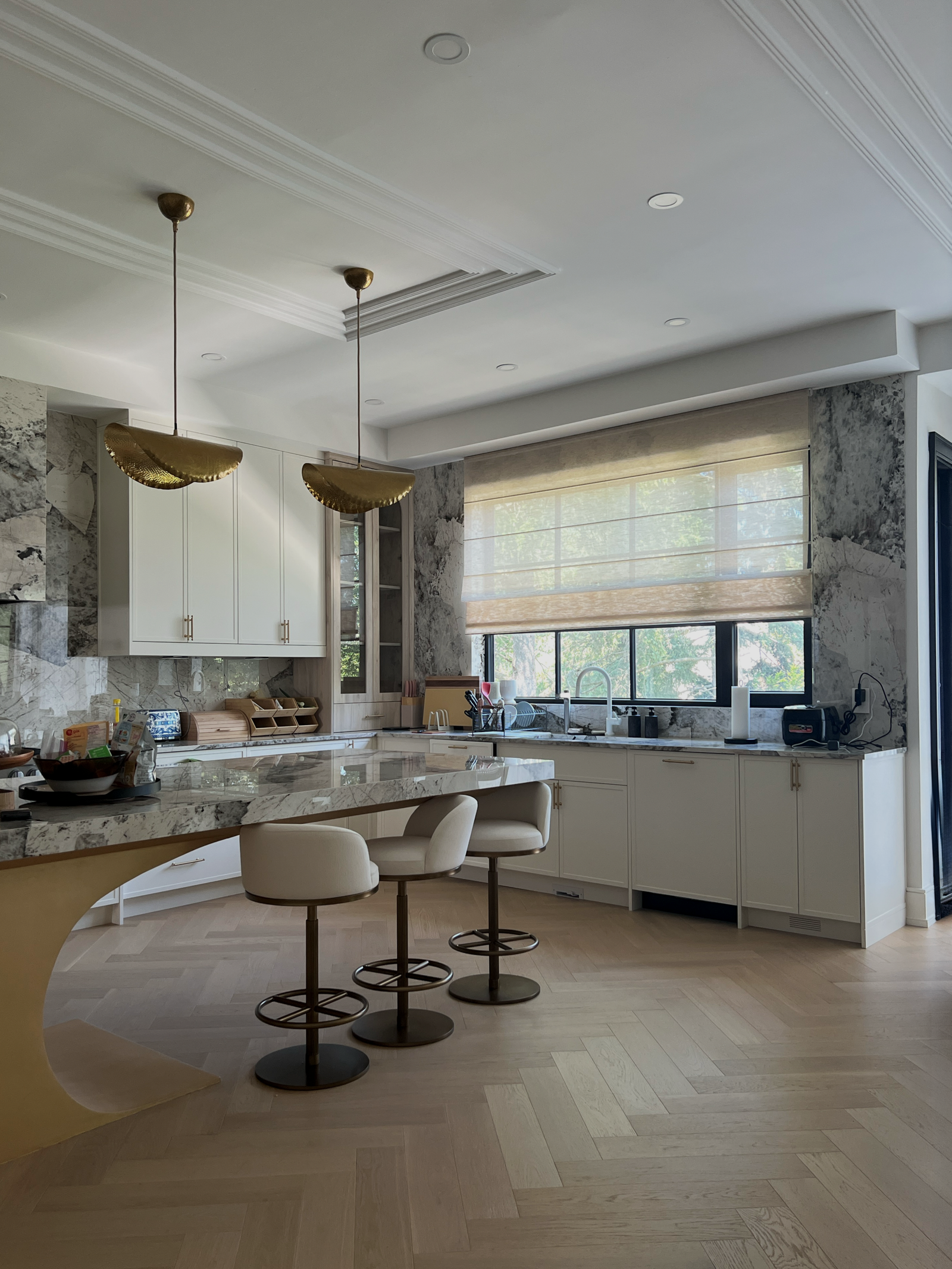
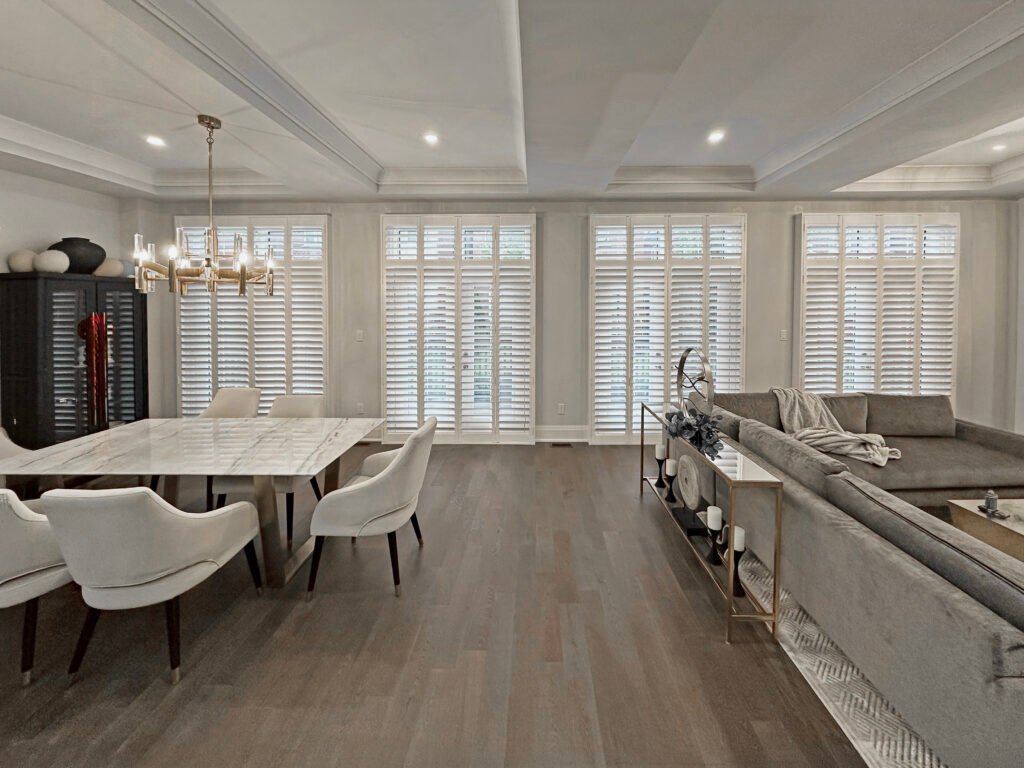
If you grew up in a Toronto home, chances are it had California shutters somewhere — a kitchen window, a front room, maybe the whole main floor. They’ve been around long enough that some homeowners now wonder if they read as dated. Others are choosing them for the first time and want to know what they’re actually getting. Both questions come down to the same thing: what are California shutters, really, and do they still hold up?
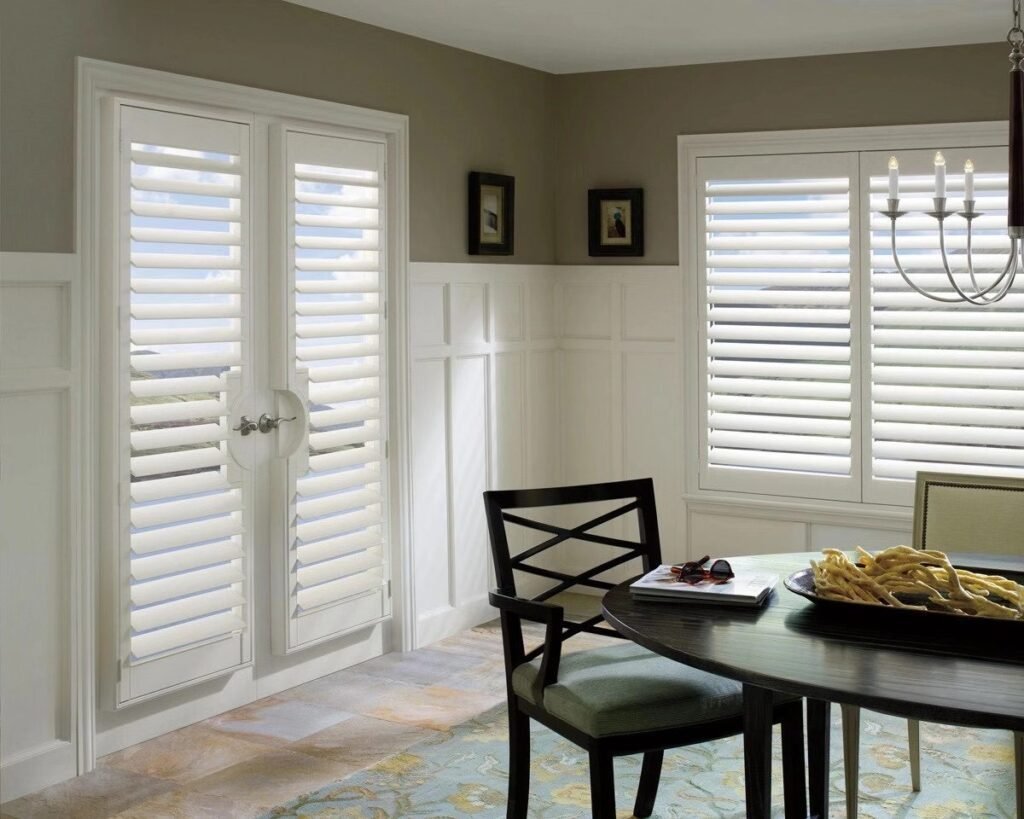
What are California shutters?
California shutters are solid, hinged panels — usually made from wood, engineered wood, or a durable vinyl/composite — mounted directly into the window frame, with adjustable horizontal louvres inside each panel. Unlike a blind or curtain that hangs in front of the window, shutters become part of the window itself. Louvres tilt open for full light and airflow, or close for privacy and light control, and the panels themselves can hinge open like small doors. That permanence is what sets them apart from every other window treatment: they’re installed once and stay with the house.
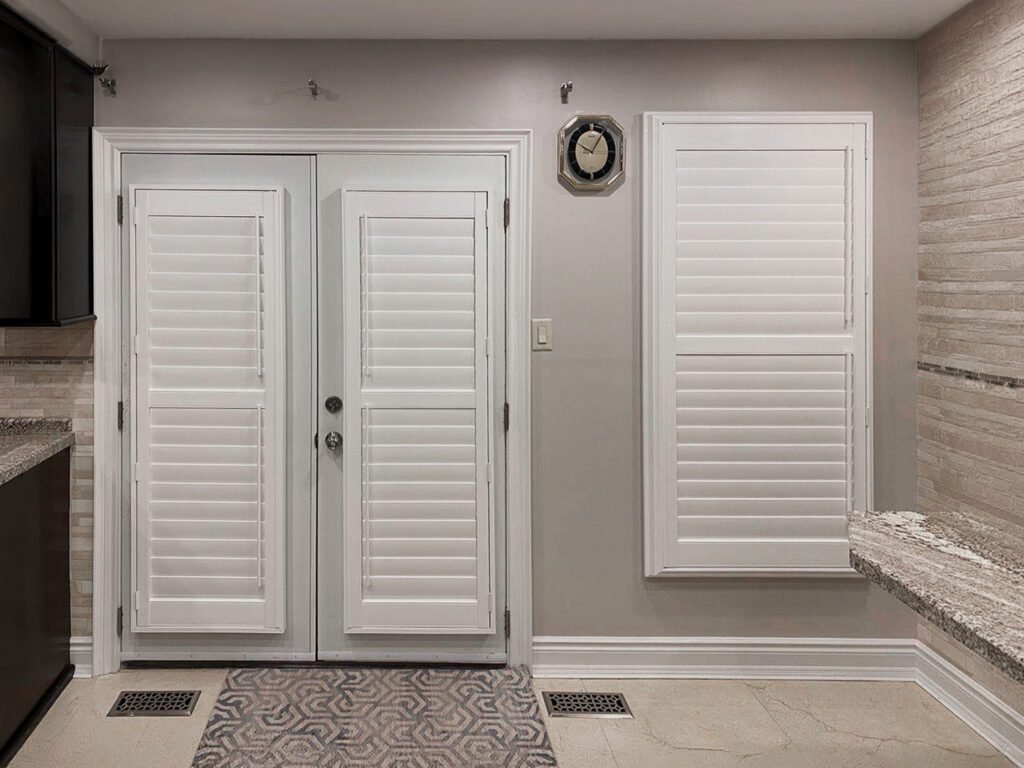
Are California shutters out of style?
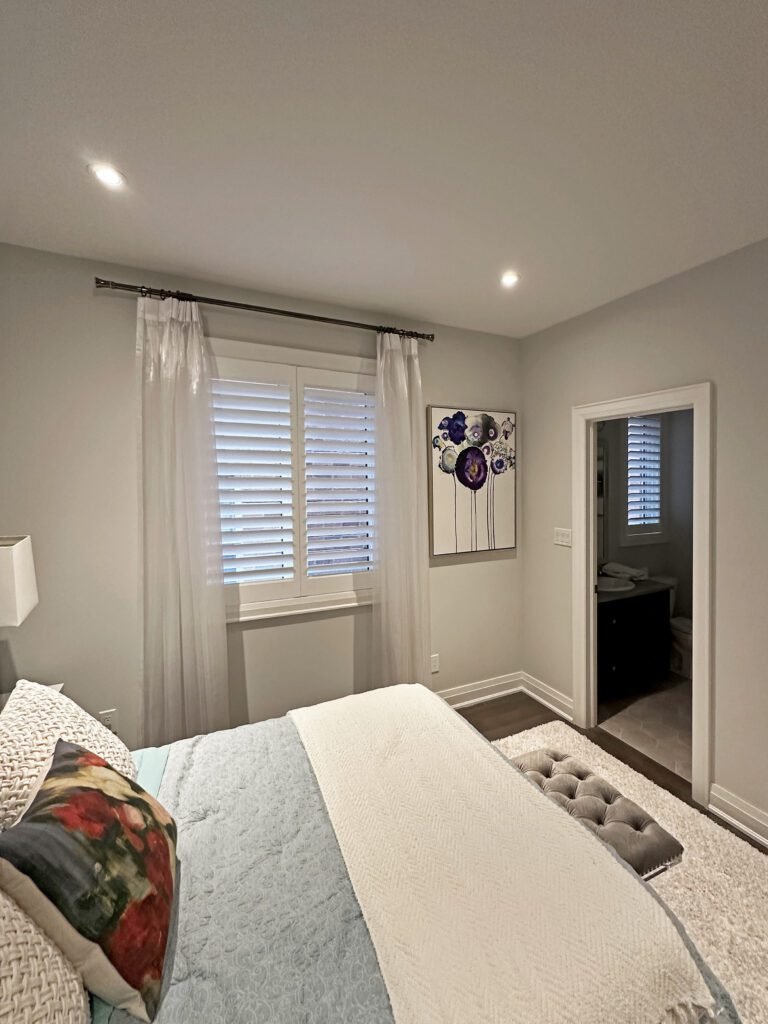
No — but they’ve changed. The style most people picture as “dated” is usually a specific look: bright white, wide 3.5-inch louvres, a slightly plastic-feeling vinyl finish. That version had a moment, and yes, it’s aged. What’s replaced it isn’t a different product — it’s better materials and more restrained proportions. Narrower louvre options, warmer off-white and greige tones, and real wood or higher-grade composite finishes have kept shutters current in homes that otherwise lean modern, minimalist, or transitional. The shape of the question — “still in style” — is really a question about which generation of shutter you’re picturing.
What’s actually changed since the classic look
A few shifts explain why shutters read differently in a 2026 home than they did fifteen years ago:
- Louvre width has narrowed. Slimmer louvres (roughly 2.5 inches vs. the older 3.5-inch standard) give a more refined, less bulky look, especially on smaller or narrower windows.
- Colour has moved past bright white. Warm whites, soft greys, and natural wood tones now sit alongside the classic bright white finish, which makes shutters easier to match to a room’s existing palette instead of standing apart from it.
- Hidden tilt bars have become common. Older shutters often had a visible metal tilt rod down the centre of each panel; many current options use a hidden rear-tilt mechanism, giving a cleaner, uninterrupted look when the louvres are closed.
- Material quality has a wider range. From engineered wood to higher-density composite, today’s options span a broader range of finish and durability than the single vinyl standard many people associate with the 1990s and 2000s look.
Why homeowners still choose them over blinds or curtains
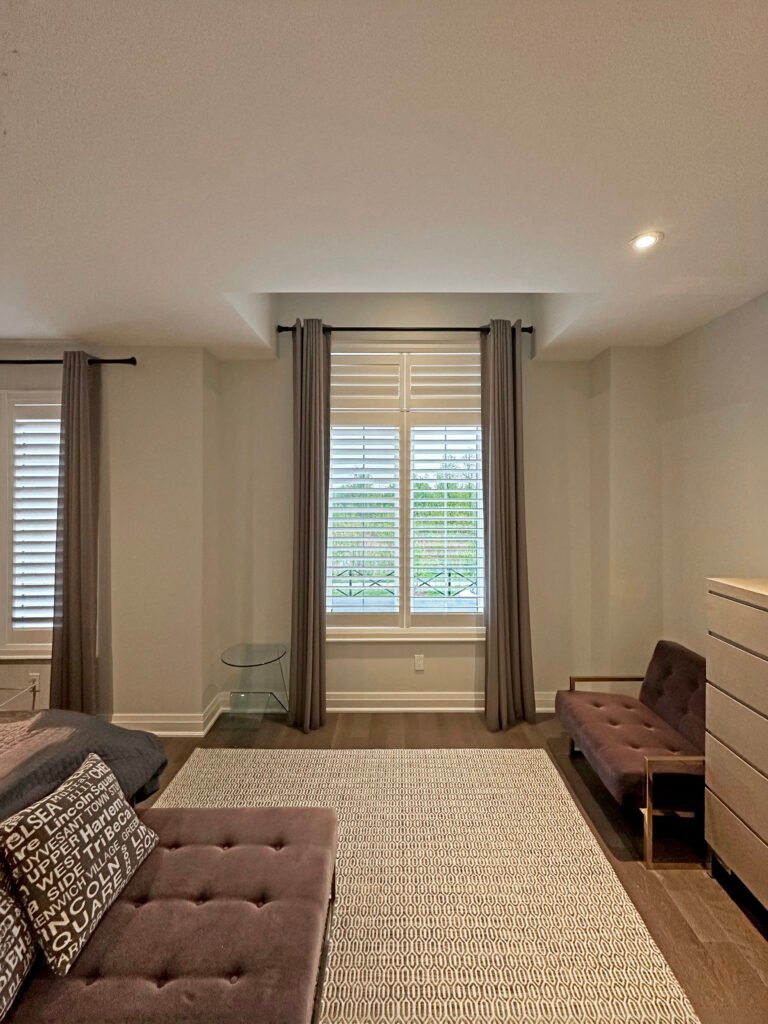
Style aside, shutters solve problems the way no other window treatment does. Because they’re built into the frame, there’s no fabric to fade, no cord or chain to manage, and no soft material for pets or kids to catch on. They add real insulation value in winter and block heat gain in summer, since the panel sits directly in the window opening rather than a few inches in front of it. And because they’re permanent, they tend to be the one window treatment that doesn’t get swapped out with the next redesign — homeowners repaint walls and change curtains around them for years.
If you’re weighing shutters against a softer option for a specific room, our California shutters vs. plantation shutters breakdown covers the finer differences in louvre size and framing style.
How to tell if they’re right for your home
The honest answer depends on the window, not just the trend. Shutters work especially well on:
- Windows you want to look finished from both inside and outside the house (shutters read clean and intentional from the street).
- Kitchens, bathrooms, and other high-moisture or high-touch rooms, where composite or vinyl finishes hold up better than fabric.
- Homes with a more classic or transitional architectural style, where the structured look of a hinged panel fits the bones of the house.
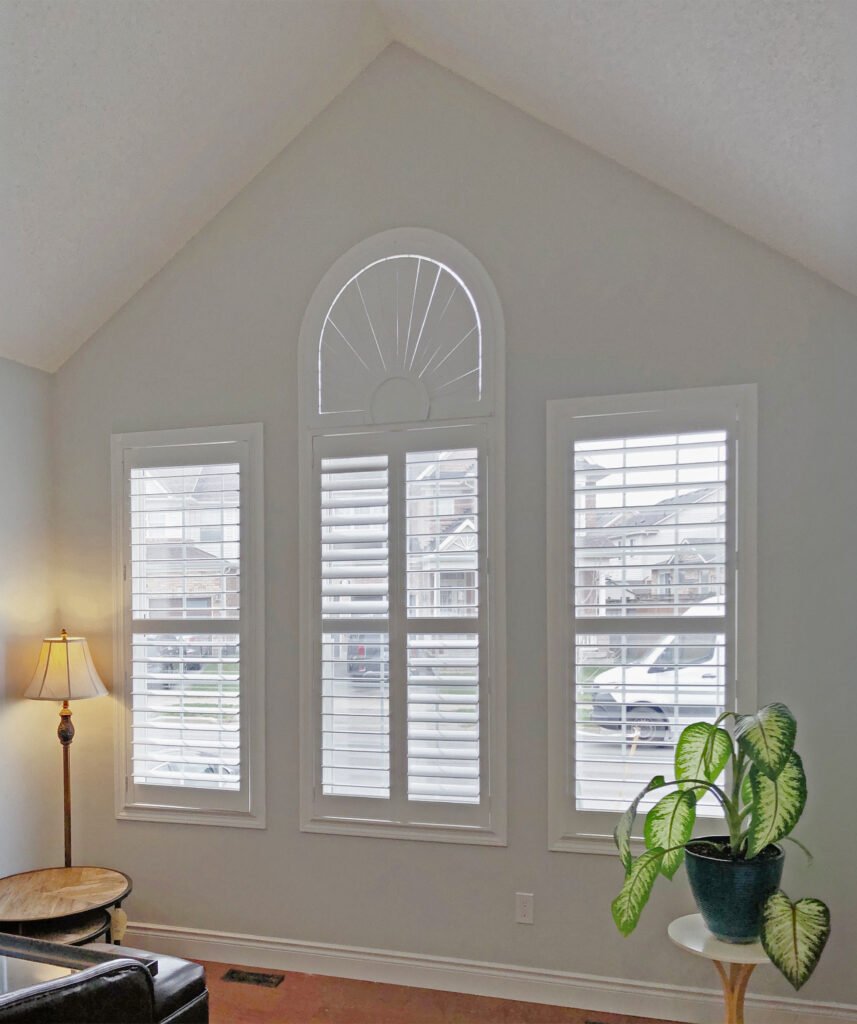
They’re a less natural fit for very large or unusually shaped windows, where a panel system can feel heavy — that’s usually where we’d suggest curtains or a motorized shade instead, and we’ll say so plainly during a consultation.
Shutters are one of the few window treatments you install once and live with for years, which is exactly why it’s worth seeing the current louvre and colour options in person rather than picturing the version from twenty years ago. Book a free consultation and we’ll bring samples in the finishes actually available today, measured for your windows in Toronto — including Scarborough and North York — and across Mississauga.